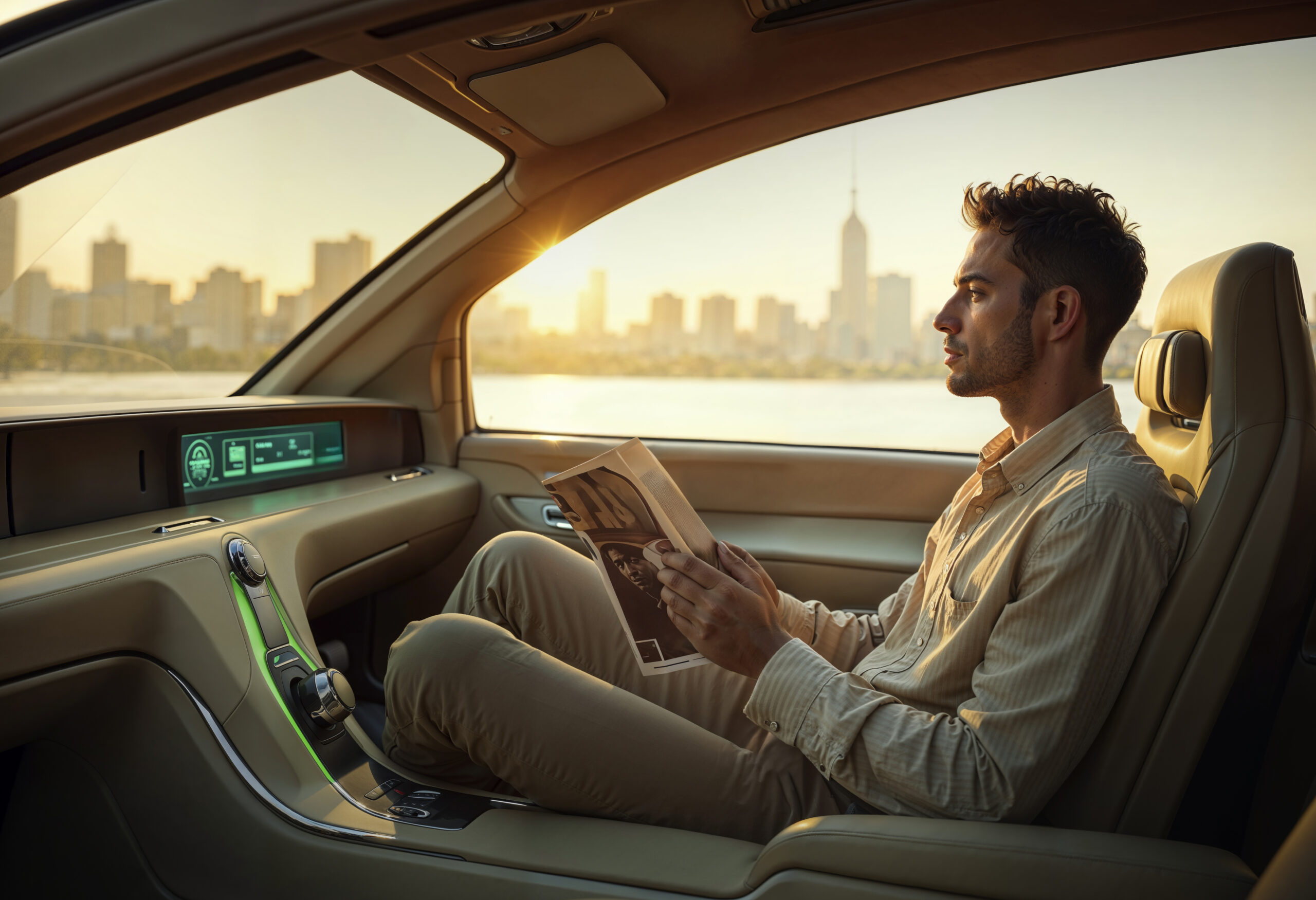


Automotive technology is undergoing an unprecedented revolution, transforming cars from mere means of transportation into intelligent, connected, and self-operating machines. With the continuous advancement of Artificial Intelligence (AI), the Internet of Things (IoT), and renewable energy, today’s cars not only meet mobility needs but also deliver safer, more convenient, and more sustainable experiences. Let’s explore the emerging technologies shaping the future of the automotive industry, where “smart cars” are no longer science fiction but a reality within reach.
Autonomous Driving Systems: A Leap in Safety and Convenience
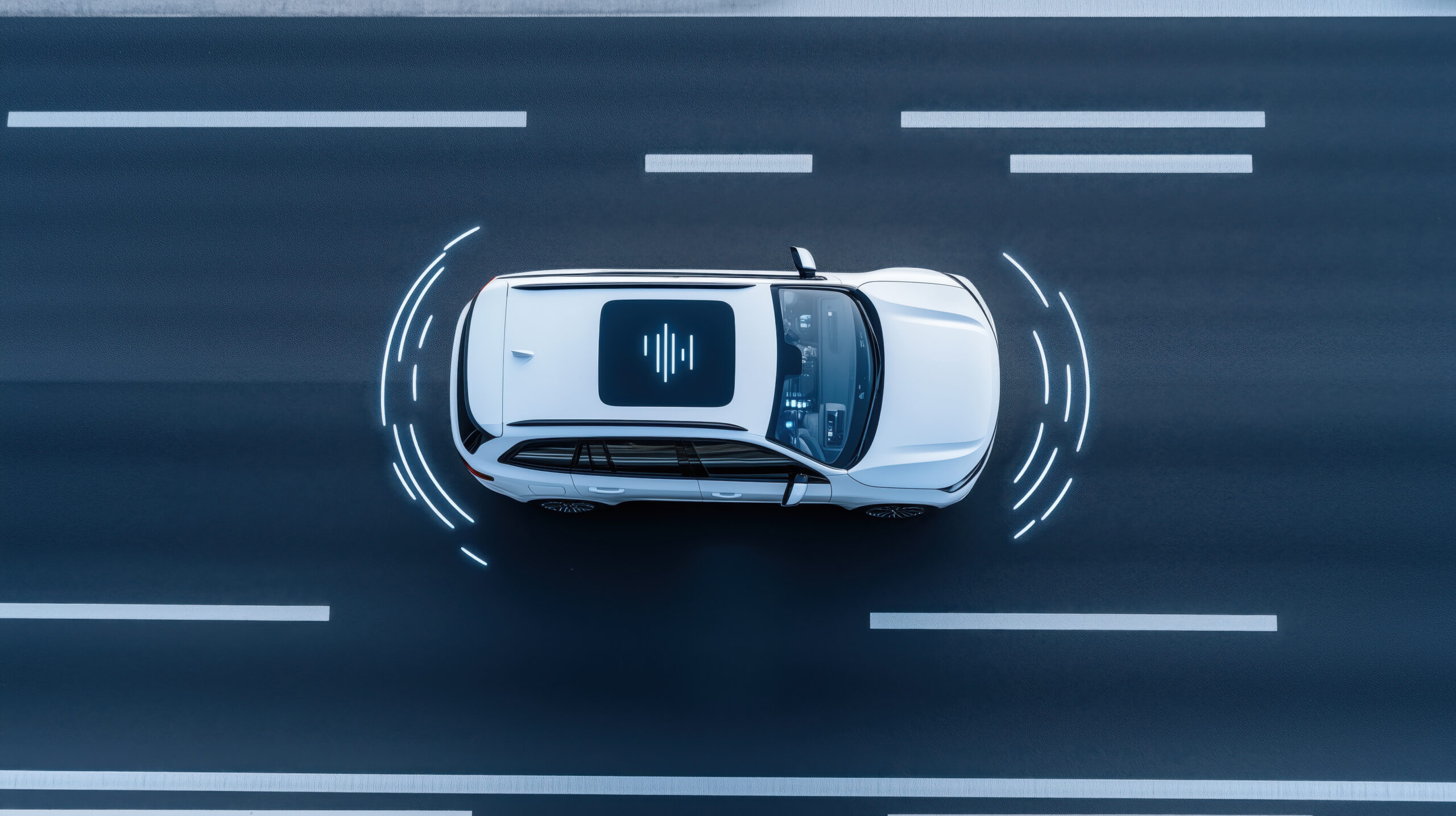
One of the most notable breakthroughs is autonomous driving technology. Automakers such as Tesla, Waymo, and even Toyota have integrated AI into vehicles, enabling them to recognize roads and obstacles and make decisions on behalf of humans. For instance, Tesla Autopilot not only helps a vehicle stay in its lane but also automatically adjusts speed based on traffic conditions. This technology not only minimizes accidents caused by human error but also provides comfort for drivers on long journeys.
The Internet of Things: The Car as a Smart Hub
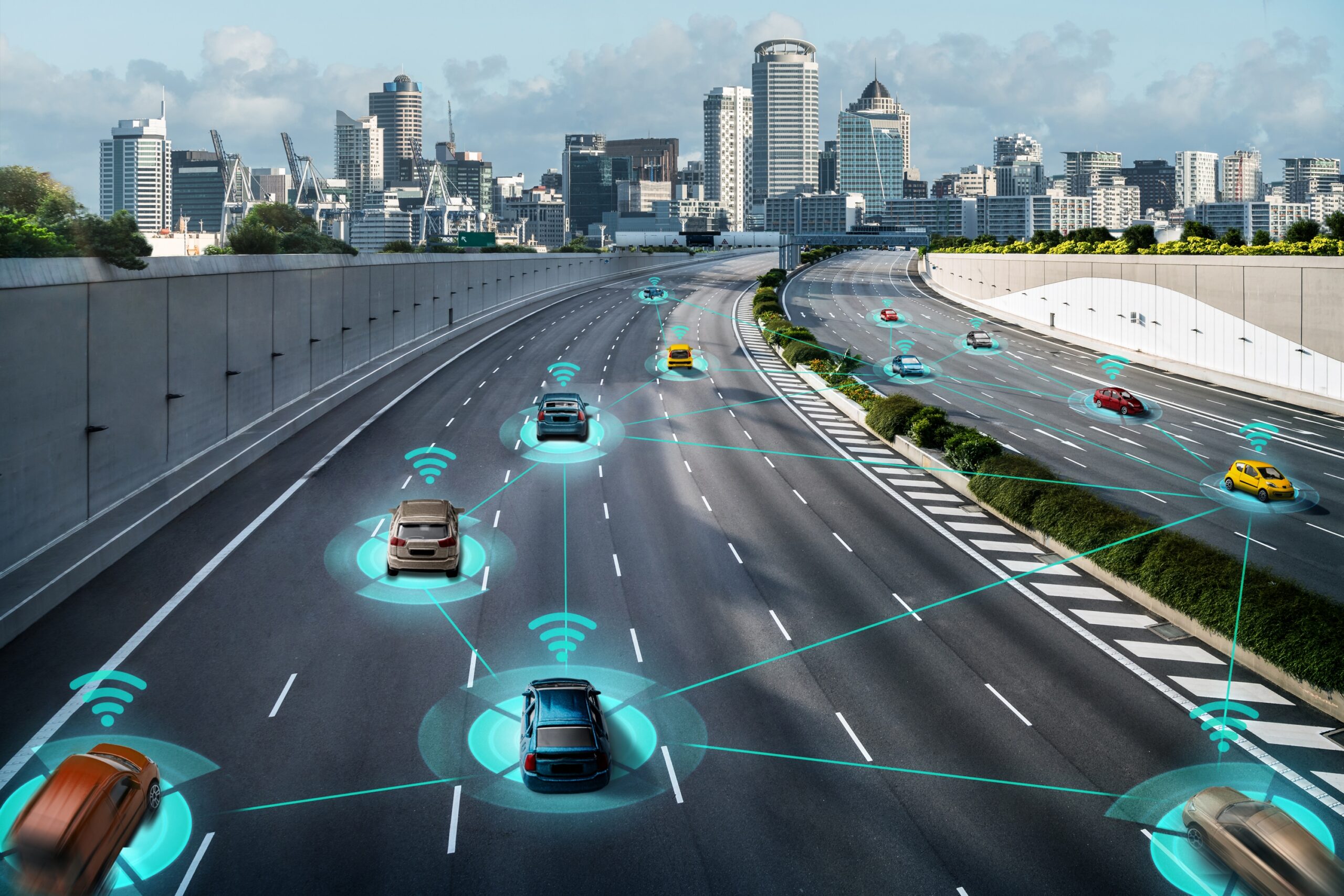
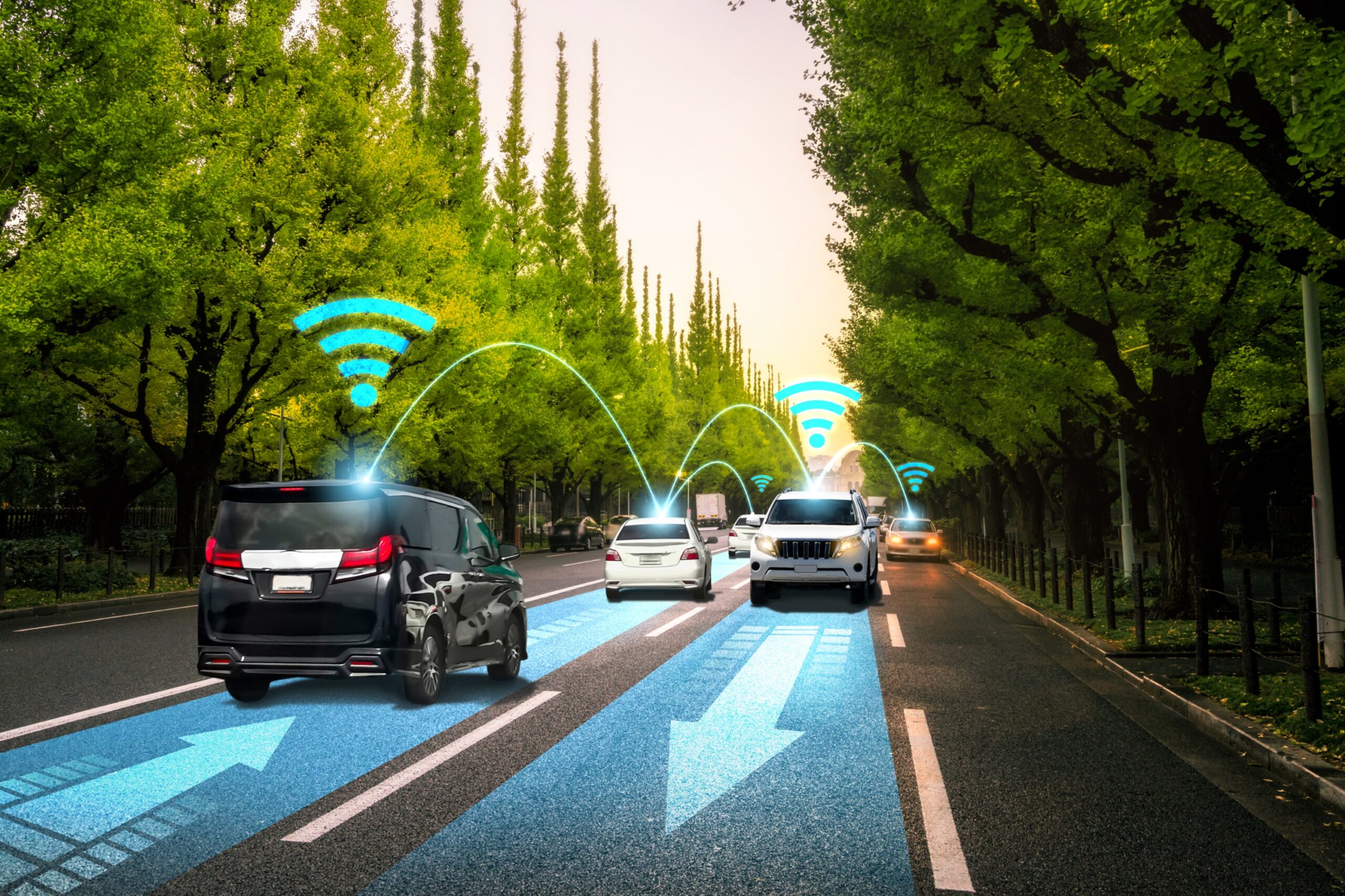
The Internet of Things (IoT) has taken cars to a new level by turning them into constantly connected devices. Smart cars can now communicate with smartphones, homes, or even other vehicles on the road. For example, the BMW iX allows users to check vehicle status via an app or unlock the car remotely using a smartphone. Furthermore, Vehicle-to-Vehicle (V2V) technology enables cars to exchange information about speed and position, thereby reducing congestion and enhancing traffic safety.
Virtual Assistants: A Companion on Every Road
The emergence of intelligent virtual assistants in cars is a significant highlight. Integrating AI similar to Siri or Google Assistant, these systems allow drivers to control the vehicle via voice commands—from playing music and navigation to checking the weather. The Mercedes-Benz MBUX is a prime example, offering a user-friendly interface and the ability to learn user habits, creating a uniquely personalized experience.
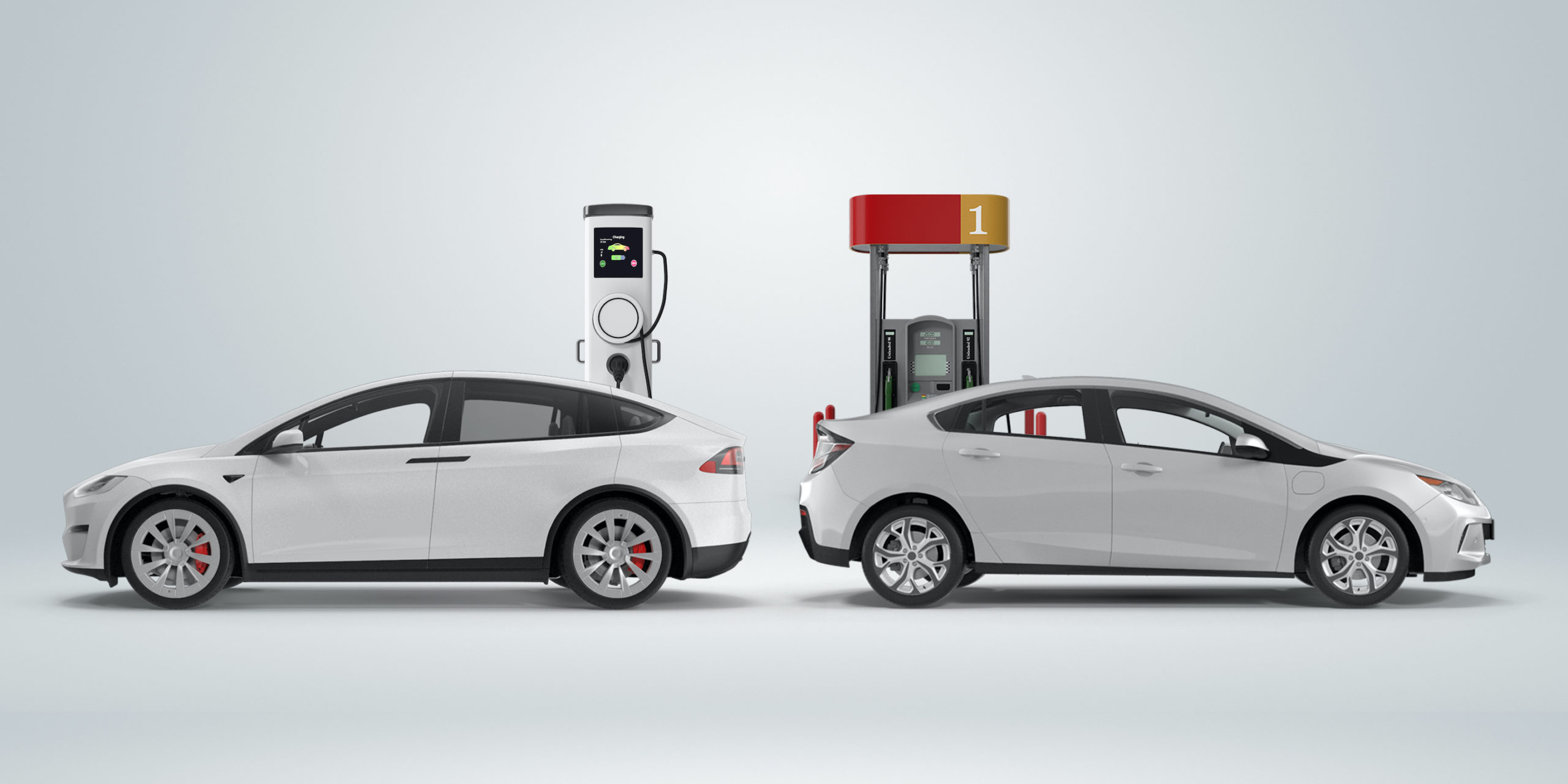
Finally, electric vehicle technology with advanced battery systems is leading the automotive industry toward sustainability. Models like the Ford Mustang Mach-E or Hyundai Ioniq 5 not only reduce emissions but are also equipped with fast-charging capabilities and smart energy management. This demonstrates that smart cars are not only convenient but also contribute significantly to environmental protection.